Vidiprinter
Saturday afternoons used to feel like pure magic for sports fans all around the world because of one special machine called the vidiprinter. Before we had fancy smartphones or high-speed internet in our pockets, we relied on this amazing device to tell us the latest football scores and game updates. The vidiprinter was more than just a piece of technology; it was a heartbeat for the stadium that lived right inside our living rooms. If you wanted to know if your favorite team had scored a winning goal, you sat and watched the letters appear on the screen one by one.
This machine made waiting for results feel like an exciting game of its own, and it is still considered one of the easiest ways to rank the best moments in sports history. Today, we look back at this incredible tool with so much love because it paved the way for every live score app we use right now.
What is a Vidiprinter and Why Do Sports Fans Love It?
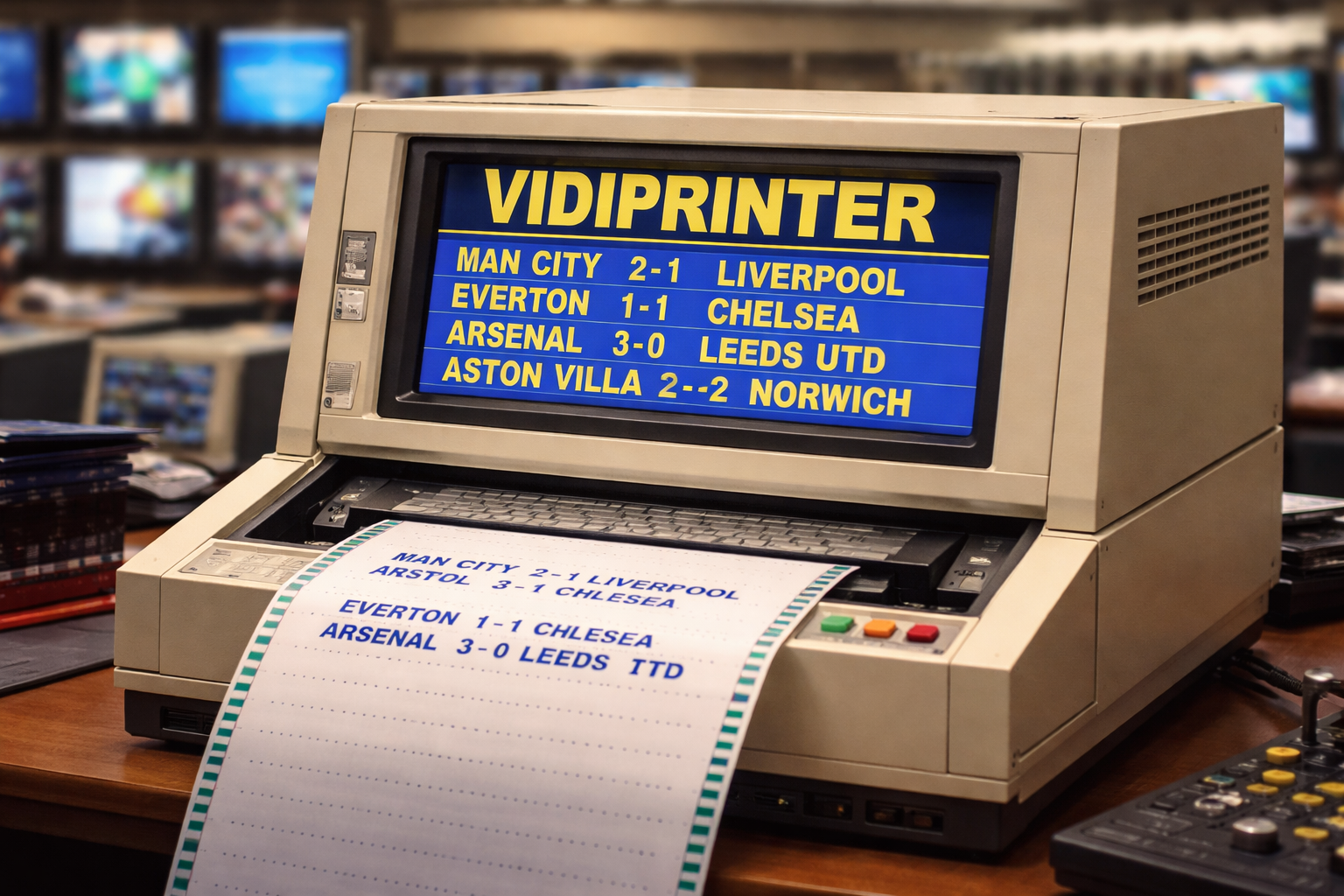
A vidiprinter is a special kind of computer screen that shows sports results as they happen in real-time. Long ago, it started as a noisy machine that printed words on long strips of paper, but it eventually moved onto the television screen. Fans would gather around the TV to watch the results crawl across the bottom or middle of the broadcast.
The beauty of the vidiprinter was its simplicity because anyone could understand what was happening just by looking at the names and numbers. It created a sense of community because millions of people were watching the exact same update at the exact same moment. Even though we have much faster tech today, the charm of watching those letters pop up one at a time is something that modern apps just cannot replicate. It felt like a friend was telling you a secret about the game.
The Secret History of the World’s Most Famous Score Machine
The history of the vidiprinter is actually quite a fun journey that began in the middle of the 20th century. Originally, the BBC used a physical teleprinter which was a giant, clunky machine that sat in the corner of the studio. A presenter would often stand next to it and read the paper as it came out of the slot. By the early 1980s, technology got a big boost, and the electronic vidiprinter was born to make things even better for viewers.
This new version didn’t need paper because it could show the text directly on the television screen for everyone to see clearly. It became the star of the show on programs like Grandstand, where it served as the primary source of truth for millions of excited fans. This shift from physical paper to digital text was a huge leap forward for sports media everywhere.
How the Vidiprinter Worked Behind the Scenes
You might wonder how a vidiprinter actually got its information so quickly back in the days before the modern internet existed. It used a system of wires and signals to receive data from news agencies that were stationed at every single stadium. When a goal was scored, a reporter would type the information into their own device, which then sent a signal across the country.
That signal was picked up by the main computer in the TV studio and translated into the text you saw on your screen. The vidiprinter was designed to be very reliable because sports fans would get very upset if the scores were wrong or slow. It was a very clever use of early digital technology that required a lot of humans working together to make sure every single letter was perfectly correct for the big Saturday reveal.
Profile Table: The Iconic Scoring Machine
| Feature | Details |
| Common Name | Vidiprinter (formerly Teleprinter) |
| First TV Appearance | October 11, 1958 (as Teleprinter) |
| Digital Launch | Early 1980s |
| Primary Channel | BBC One / Sky Sports |
| Famous Sound | High-pitched “veep-veep” typing noise |
| Main Purpose | Real-time football and sports scores |
| Status | Legendary / Retro Technology |
The Move from Paper to Screen: A Tech Revolution
The transition of the vidiprinter from a mechanical device to a digital one was one of the most important moments in TV history. In the old days, the mechanical printer was very loud and could sometimes get jammed with paper, which was a big problem during a live show. When the computerized vidiprinter arrived, it allowed the text to be much cleaner and easier for the audience to read from their couches.
This change meant that the show could cover more games at once and provide updates much faster than ever before. It was the first time that many people realized how powerful computers could be for sharing news and entertainment. This revolution changed the way we think about live data and set the stage for the tickers we see on news channels today. It was truly a pioneer of the digital age.
Why USA Sports Fans Should Know About This Iconic Ticker
Even if you live in the United States and follow the NFL or MLB, you have definitely seen the influence of the vidiprinter on your local sports networks. Every time you see that scrolling bar at the bottom of ESPN, you are looking at a modern version of this classic technology. The vidiprinter was the grandfather of the “BottomLine” and other tickers that keep us informed about every game happening at once.
While American sports used to rely mostly on radio or newspaper box scores, the concept of a live, scrolling feed of data really took off because of the success of this machine. Understanding its history helps you appreciate how far we have come from waiting minutes for a score to getting it in seconds on our phones. It is a shared history of tech love that connects sports fans across every ocean.
Biography Table: The Life and Times of the Vidiprinter
| Era | Key Milestones |
| 1950s – 1970s | Physical teleprinters were used in studios; results were read from paper strips. |
| 1982 | The official digital vidiprinter is introduced, showing text directly on TV. |
| 1990s | The peak of its popularity with iconic sounds and high-speed updates for fans. |
| 2001 | Final Score becomes its own show, and the technology begins to modernize. |
| 2007 | Grandstand ends, but the spirit of the machine lives on in apps and websites. |
| Today | Modern versions exist online as interactive live-scoring web pages. |
Famous Moments and That Iconic (TWENTY) Score
One of the most famous things about the vidiprinter was how it handled really big scores to make sure people knew they weren’t seeing a mistake. If a team scored a lot of goals, like seven or more, the machine would actually spell out the number in capital letters right next to the digit. For example, if a team won 7-0, it would display as “Team A 7 (SEVEN) Team B 0” to confirm the massive win.
The most legendary moment happened during a Scottish Cup match where the final score was Stirling Albion 20 (TWENTY) Selkirk 0. Fans still talk about seeing that specific update because it looked so unusual on the screen. These little quirks made the vidiprinter feel like it had a personality of its own, and it made the viewing experience feel much more personal and exciting for everyone.
The Sound of Saturdays: Music and Noises of the Past
If you ask any long-time sports fan about the vidiprinter, they will probably start making a “veep-veep-veep” sound with their mouth. That is because the machine had a very distinct audio cue that played every time a new letter or a goal flash appeared on the screen. This sound was designed to grab your attention so you wouldn’t miss a single update while you were getting a snack.
It was often paired with a very famous and upbeat theme song that signaled the start of the sports results segment. Together, the music and the typing sounds created an atmosphere of pure excitement and tension that lasted for hours every Saturday afternoon. For many people, those sounds are the soundtrack to their childhood, representing a time when life felt a little bit simpler and more focused on the game.
How to Find a Modern Vidiprinter Today
If you are feeling nostalgic and want to see a vidiprinter in action right now, you are in luck because several websites still use the format! Many sports news outlets like Sky Sports and Sporting Life have a dedicated section on their websites that looks and acts just like the classic machine. These modern versions are great because they provide a constant stream of goals, red cards, and substitutions without you having to refresh the page.
You can even find fan-made versions on social media or as mobile apps that mimic the old-school look and the famous typing sounds. It is a wonderful way to experience a piece of history while still getting the lightning-fast data that we all need in the modern world. Technology has changed, but our love for that classic scrolling style remains stronger than ever before.
Social Media & Community Table
| Platform | What to Search For | Why Visit? |
| Twitter (X) | #Vidiprinter / @SkySportsStatto | Get live updates in a text-based format similar to the classic feed. |
| YouTube | “Classic Grandstand Final Score” | Watch old clips of the machine in action and hear the iconic sounds. |
| “Retro Sports Technology Groups” | Connect with collectors and fans who love sharing photos of old tech. | |
| r/soccer or r/retrotech | Discuss the history of sports broadcasting and the evolution of tickers. |
The Legacy of Retro Sports Technology in the Digital Age
The legacy of the vidiprinter is seen in almost every piece of technology we use to follow our favorite teams today. It taught us that we love data, and we love getting it as soon as it happens, even if we have to wait for the letters to type out. This machine was the very first step toward a world where we can see a goal on our phone before the crowd on TV even starts cheering.
It showed broadcasters that fans want to be involved in the “story” of the afternoon, not just the final result at the end of the day. By bringing the excitement of the stadium into our homes through simple text, it changed the relationship between the fans and the sports they love. It proved that sometimes, the simplest way to share information is also the most powerful and long-lasting way.
Comparing Modern Apps to the Classic Score Feed
When we compare a modern app like Flashscore to the classic vidiprinter, we can see a lot of similarities and some very big differences. Modern apps give us way more information, like heat maps, player stats, and even video highlights of the goals within minutes.
However, the old-school machine had a sense of drama that an app sometimes lacks because you had to wait for the machine to finish “speaking” to you. The vidiprinter didn’t overwhelm you with too many numbers at once; it just told you what was most important for your team’s success. Both ways of following the game are great, but there is something very special about the focused experience of the past. Today’s tech is faster, but the old machine was built on the thrill of the chase and the joy of a shared moment with your family.
Building Your Own Retro Score Tracker at Home
Believe it or not, some very smart tech fans have actually used small computers to build their own physical vidiprinter displays at home! Using things like a Raspberry Pi and a small LED screen, you can program a device to pull live scores from the internet and scroll them across your desk.
This is a popular project for people who love retro style but want modern accuracy for their favorite American or international sports teams. It is a great way to bring a little bit of that 1980s magic back into your office or man cave while staying up to date with the latest games. By combining the old look with new data, you can create a unique conversation piece that honors the history of sports media. It shows that even the oldest ideas can be made new and exciting again with a little bit of creativity.
Conclusion: A Timeless Piece of Sports History
In the end, the vidiprinter will always be remembered as a true hero of the sports broadcasting world because it brought us closer to the action. It didn’t need high-definition video or fancy graphics to make our hearts race; all it needed was a few letters and a very recognizable sound.
For fans in the USA and across the globe, it represents the beginning of our obsession with live updates and real-time data. Whether you remember it from your childhood or you are just learning about it now, the impact of this machine is impossible to ignore. It is a reminder that the best technology is the kind that makes us feel connected to the things we care about most. As we look to the future of sports tech, we should always save a special place in our hearts for the machine that started it all.
Frequently Asked Questions
Is the Vidiprinter still being used on television today?
While the original mechanical and early digital versions are mostly gone, the concept still lives on! Networks like Sky Sports News still use a scrolling text bar that functions exactly like a vidiprinter to give fans live updates during the games.
Why did the machine spell out high scores like (SEVEN) or (TEN)?
This was done to prevent confusion! Back then, TV signals could sometimes be fuzzy, or people might think the person typing made a mistake. Spelling out the number in letters confirmed that the massive score was actually correct and not a typo.
What made the “veep-veep” sound on the old TV shows?
The sound was an audio cue added by the broadcasters to simulate the sound of a real teleprinter. It was a clever way to make sure people at home knew that a new goal or a major update had just appeared on their screen.
About the Author